
A vehicle’s paint can gradually lose its smooth, glossy appearance due to scratches, swirl marks, oxidation, water spots, and everyday road exposure. Even when a car is washed regularly, minor imperfections can remain visible and make the paint look dull. This is why many vehicle owners consider professional paint-care services when basic washing is no longer enough. At A&F Auto Shine, our goal is to help vehicle owners improve the appearance of their cars through professional exterior cleaning and paint-enhancement services designed to restore a cleaner, smoother, and more reflective finish.
Professional car buffing can include specialized paint-care techniques that go beyond routine washing. Depending on the condition of the vehicle, professional detailing may address light scratches, swirl marks, oxidation, surface contamination, and other imperfections that affect the overall appearance of the paint.
Common Causes Of Scratches And Dull Paint
Several factors can gradually affect a vehicle’s paint finish. Common causes include:
- Improper Washing: Using rough towels, dirty wash mitts, or unsuitable washing techniques can create fine scratches and swirl marks.
- Road Debris: Small stones, dirt, and other particles can come into contact with painted surfaces while driving.
- Automatic Car Washes: Some automated brushes can contribute to fine surface marks when dirt and debris are transferred across the paint.
- Environmental Exposure: Sunlight, rain, dust, bird droppings, and tree residue can gradually affect the paint’s appearance.
- Oxidation: Long-term exposure to sunlight and environmental elements can make painted surfaces appear faded, hazy, or less reflective.
- Everyday Contact: Keys, bags, branches, and other objects can create minor scratches on exterior panels.
Identifying the type and severity of paint imperfections helps determine whether buffing, polishing, or another paint-care service is appropriate.
How Can Car Buffing Improve Paint Appearance?
Car buffing uses specialized equipment and polishing compounds to work on the upper portion of the vehicle’s paint surface. When performed correctly, buffing can reduce the visibility of certain light scratches, swirl marks, oxidation, and surface imperfections. The process can also smooth the paint and increase light reflection, helping the vehicle achieve a brighter and glossier appearance.
However, not every scratch can be completely removed through buffing. Deep scratches that extend through the clear coat and into the underlying paint may require additional repair or refinishing. A professional assessment helps determine the safest approach based on the condition of the vehicle’s finish.
Benefits Of Professional Car Buffing
Car buffing can improve the overall appearance of a vehicle by addressing light paint imperfections and restoring lost gloss. The process can make painted surfaces look smoother, clearer, and more reflective while helping refresh the vehicle’s exterior appearance. When performed with the right equipment and techniques, buffing can also complement other detailing services and provide a more polished finish.
- Reduces Light Scratches
- Restores Paint Gloss
- Minimizes Swirl Marks
- Improves Paint Clarity
- Refreshes Faded Paint
- Enhances Vehicle Appearance
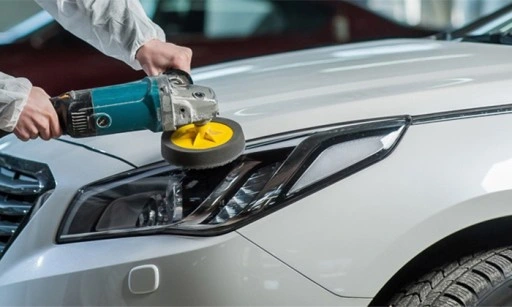
Restoring Gloss And Paint Shine
Buffing can help restore the visual quality of paint by reducing minor imperfections that scatter light across the surface. When these imperfections are reduced, the paint can appear smoother and more reflective. Professional paint enhancement may also remove oxidation and light surface haze that can make a vehicle look older than it actually is.
The result depends on the paint condition, depth of the imperfections, previous maintenance, and selected treatment. A properly performed service focuses on improving the finish without unnecessarily removing excessive clear coat.
How Does Professional Car Buffing Work?
Professional car buffing follows a controlled process designed to improve the paint surface while minimizing the risk of additional damage. The exact process can vary depending on the vehicle’s condition, paint type, and severity of the imperfections, but professional services generally begin with an inspection before moving through cleaning, preparation, machine polishing, finishing, and final inspection.
The process commonly includes:
- Paint Inspection: The detailer examines the vehicle for scratches, swirl marks, oxidation, water spots, paint defects, and other imperfections.
- Exterior Cleaning: The vehicle is thoroughly washed to remove loose dirt, dust, road grime, and other contaminants from the paint.
- Paint Decontamination: Bonded contaminants may be removed when necessary to create a cleaner and smoother surface before polishing.
- Surface Preparation: Painted panels are carefully prepared so the polishing process can be performed more consistently.
- Machine Buffing: A professional machine and suitable polishing compound are used to work on targeted areas of the paint and reduce appropriate surface imperfections.
- Scratch And Swirl Reduction: Light scratches, fine swirl marks, and surface haze may become less noticeable after the paint is properly polished.
- Paint Refinement: Additional polishing may be performed to improve clarity, smoothness, and light reflection across the finish.
- Finishing Treatment: Depending on the selected service, wax, sealant, or another protective product may be applied to the refined surface.
- Final Inspection: The vehicle is checked under suitable lighting to identify remaining imperfections and ensure the finish has been properly treated.
How Much Does Car Buffing Cost?
| Car Buffing Service | Typical Price Range | Common Services Included |
| Basic Car Buffing | $120 – $250 | Exterior preparation, machine buffing, light swirl reduction |
| Single-Stage Buffing | $200 – $400 | Light scratches, oxidation removal, and gloss enhancement |
| Full Car Buffing | $250 – $500 | Complete paint polishing, swirl reduction, and surface refinement |
| Two-Stage Paint Correction | $500 – $1,000+ | Compounding, polishing, moderate scratch and defect reduction |
| Multi-Stage Paint Correction | $900 – $1,500+ | Multiple polishing stages, deeper defect correction, and gloss refinement |
| Spot / Panel Buffing | $75 – $150 | Light scratch, scuff, or swirl correction on a small area |
Note: Actual prices vary depending on vehicle size, paint condition, scratch depth, selected services, and the amount of correction required.
Can Buffing Remove Every Type Of Scratch?
Car buffing is most effective for light surface imperfections that affect the upper portion of the paint or clear coat. Fine swirl marks, light scratches, oxidation, and surface haze may often be reduced through professional polishing and buffing. Deeper scratches, however, may extend beyond the clear coat and require touch-up paint, wet sanding, panel repair, or professional refinishing.
A professional inspection is important before attempting to remove scratches because aggressive polishing can unnecessarily remove clear coat. Experienced detailers can assess the defect and select an appropriate treatment based on its depth and location.
Key Signs Your Vehicle May Need Paint Buffing
Your vehicle may benefit from professional buffing when the paint no longer has the smooth and glossy appearance it once had. Common signs include:
- Visible Swirl Marks: Fine circular marks that become noticeable under direct sunlight can indicate improper washing or surface wear.
- Light Surface Scratches: Minor scratches that affect the clear coat may be suitable for professional polishing and buffing.
- Dull Paint: Paint that looks flat or lacks its previous shine may benefit from surface refinement.
- Oxidized Finish: A faded, chalky, or hazy appearance can indicate oxidation caused by prolonged environmental exposure.
- Reduced Paint Reflection: If reflections appear cloudy or less defined, surface imperfections may be affecting the finish.
- Water Spot Residue: Persistent mineral deposits can leave visible marks that affect paint clarity and appearance.
- Rough Paint Surface: A gritty surface after washing may indicate bonded contaminants that should be addressed before polishing.
- Uneven Gloss: Some panels may look shinier than others because of different levels of contamination, oxidation, or previous paint care.
- Preparing For Resale: Improving the exterior appearance before selling or trading a vehicle can make it look cleaner and better maintained.
These signs can help vehicle owners determine when regular washing is no longer enough and professional paint-care services may be appropriate.
Why Choose Professional Car Buffing?
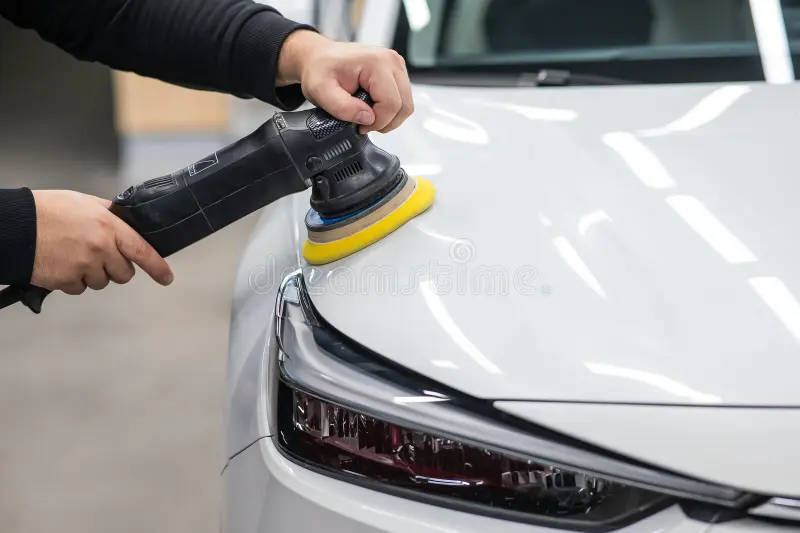
Car buffing requires suitable equipment, polishing products, paint knowledge, and controlled techniques. Using the wrong pad, compound, machine speed, or pressure can create additional defects or remove more clear coats than necessary. That is why choosing the best car buffing company in Bronx, NY can be important when you want professional attention for your vehicle’s paint.
Experienced detailers understand that different paint finishes can respond differently to polishing and buffing. They can inspect the surface, identify the type of imperfections present, and select a suitable correction method. Professional service can also help ensure that surrounding trim, edges, glass, and other vehicle surfaces are handled carefully during the process.
Conclusion
Car buffing can improve the appearance of a vehicle by reducing suitable light scratches, swirl marks, oxidation, surface haze, and other paint imperfections. It can also increase paint clarity and reflection, helping the vehicle achieve a smoother and glossier appearance. However, the results depend on the depth of the scratches, condition of the paint, and correction method selected.
At A&F Auto Shine, we help vehicle owners improve the appearance of their cars through professional exterior detailing and paint-care services. From surface preparation and polishing to finishing treatments, our team focuses on providing careful service based on each vehicle’s paint condition.
FAQs
Can car buffing remove scratches?
Buffing can reduce or remove many light surface scratches and swirl marks, but deeper scratches may require additional paint repair.
Does buffing make a car shine again?
Yes. Professional buffing can improve paint clarity and reflection by reducing surface imperfections and oxidation.
How often should a car be buffed?
The frequency depends on the vehicle’s condition, washing habits, environmental exposure, and previous paint-care treatments.
Can buffing damage car paint?
Improper buffing can damage paint or remove excessive clear coat. Professional techniques and suitable products help reduce this risk.
Is buffing the same as polishing?
Buffing and polishing are closely related paint-correction processes, although the products, equipment, and level of correction can vary depending on the service.