
Car waxing is essential for maintaining your vehicle’s shine and protecting its paint from environmental damage. A proper wax layer acts as a shield against UV rays, dirt, and contaminants while enhancing the overall gloss of your car.
However, many car owners face a common question: Should you choose hand waxing or machine waxing?
Both methods offer unique advantages. Hand waxing provides better control and precision, while machine waxing delivers faster results with a more uniform finish. In this guide by A&F Auto Shine, we break down both techniques to help you decide which option is best for your vehicle.
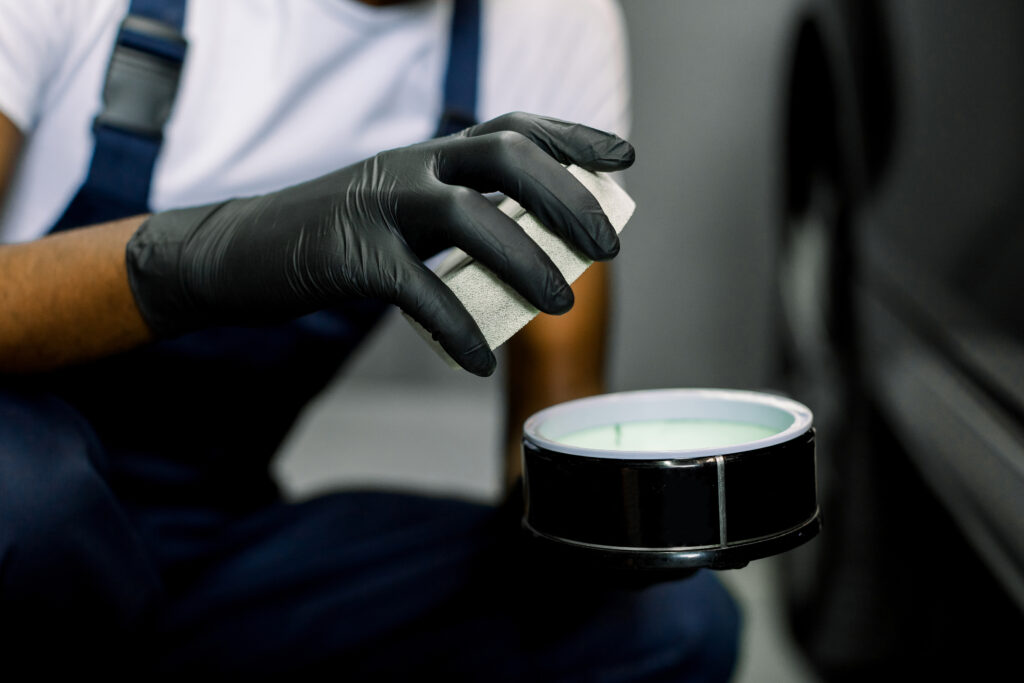
Hand Wax vs Machine Wax: Understanding the Difference
If your vehicle has started to look dull or you want to protect a fresh paint job, waxing is the ideal solution. But choosing the right auto detailing technique depends on several factors, such as cost, time, precision, and paint condition.
Let’s explore the key differences.
Experience and Skill Level
Your experience plays a major role in choosing the right waxing method.
- Hand waxing is beginner-friendly and allows more control, making it ideal for first-time users.
- Machine waxing requires some skill to avoid uneven pressure or accidental damage.
If you’re new to car detailing, hand waxing is usually the safer choice.
Cost Considerations
Budget is another important factor when comparing these methods.
- Machine waxing is generally more affordable because it takes less time and uses less product.
- Hand waxing is more labor-intensive, which can increase service costs.
If you’re looking for a cost-effective option, machine waxing may be the better choice.
Application Time
Time efficiency can influence your decision, especially for larger vehicles.
- Hand waxing takes longer, often requiring extra time for each section.
- Machine waxing is much faster and can complete the job in a fraction of the time.
If speed matters, machine waxing is the clear winner.
Precision and Control
Precision is where hand waxing stands out.
- Hand waxing allows you to carefully work around edges, curves, and tight spaces.
- Machine waxing may miss small crevices or apply wax where it’s not needed.
For a detailed and precise application, hand waxing is more effective.

Even Coating
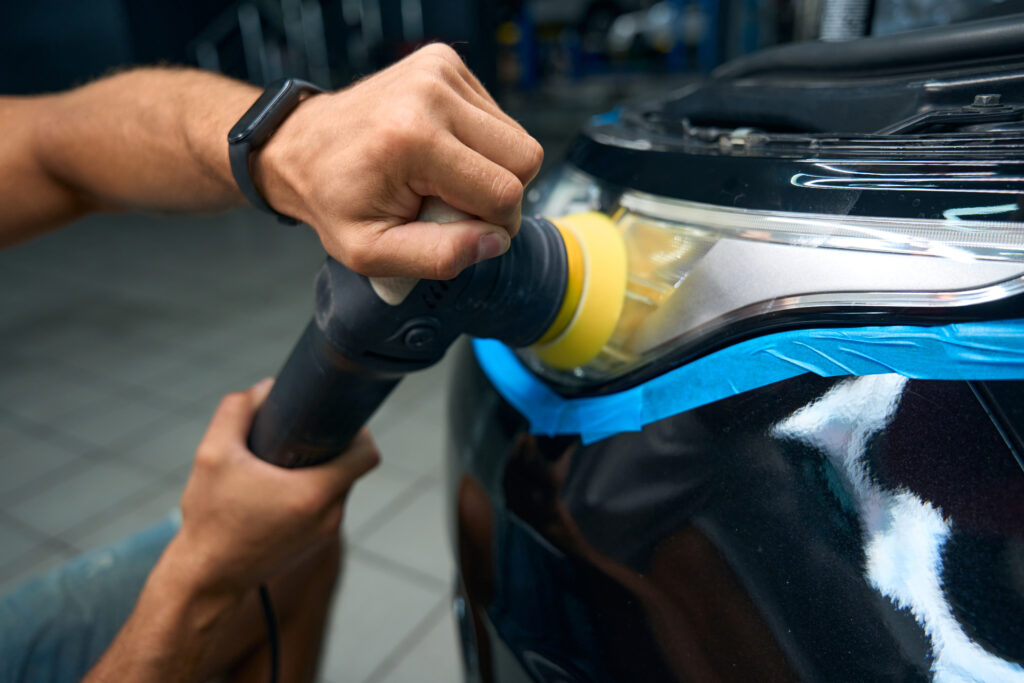
While hand waxing offers control, it may lead to uneven layers if not applied carefully.
Machine waxing, on the other hand, ensures:
- Consistent wax thickness
- Smooth surface finish
- Professional-looking results
If you want a uniform coating, machine waxing is more reliable.
Paint Condition Matters
The condition of your car’s paint should guide your choice.
- For older or delicate paint, hand waxing is safer because it applies less pressure.
- For newer or well-maintained paint, machine waxing works efficiently without risk.
Choosing the right method helps protect your vehicle’s finish.
Durability and Longevity
If you want long-lasting protection, application technique matters.
- Hand waxing creates stronger bonding due to slower, more thorough application.
- Machine waxing may result in slightly shorter durability because of quicker application.
For long-term protection, hand waxing often performs better.
Product Usage Efficiency
Efficiency in product usage is another key difference.
- Hand waxing typically uses more wax due to manual application.
- Machine waxing spreads wax evenly, using up to 70–75% less product.
If you want to minimize product waste, machine waxing is the better option.
Risk of Contamination
Maintaining a clean application process is crucial for protecting your paint.
- With hand waxing, you can easily switch applicators if contamination occurs.
- Machine waxing requires extra care, as a dirty pad can damage the paint quickly.
Proper cleaning and maintenance are essential in both methods.
Quick Insight
Professional waxing services can increase your vehicle’s resale value by improving its appearance and maintaining paint quality over time.
Which Waxing Method Should You Choose?
Choosing between hand waxing and machine waxing depends on your priorities.
Choose Hand Waxing If:
- You want maximum precision
- Your car has older or delicate paint
- You prefer long-lasting results
- You are new to car detailing
Choose Machine Waxing If:
- You want faster results
- You prefer even and consistent coating
- You want to save on product usage
- Your vehicle’s paint is in good condition
Conclusion
Both hand waxing and machine waxing offer valuable benefits for maintaining your vehicle’s appearance.
Hand waxing provides precision, better bonding, and safer application for sensitive paint, while machine waxing delivers speed, efficiency, and a smooth, uniform finish.
Ultimately, the best choice depends on your vehicle’s condition, your experience level, and your desired results. By understanding these differences, you can make the right decision and keep your car looking its best.
FAQs
1. How often should I wax my car?
It is recommended to wax your car 2 to 4 times a year, depending on usage and environmental conditions.
2. How long does machine waxing take?
Machine waxing usually takes 30 to 90 minutes, depending on the size and condition of the vehicle.
3. How long does car wax take to cure?
Car wax typically requires 24 to 48 hours to fully cure and provide maximum protection.
4. Is hand waxing better than machine waxing?
Hand waxing is better for precision and durability, while machine waxing is faster and provides a more even finish.
5. Can machine waxing damage car paint?
If used incorrectly, machine waxing can damage paint. However, when handled by professionals, it is safe and effective.